ស្នូរកាំភ្លើងស្ងប់ស្ងាត់ ប៊ុលដូហ្ស័រក៏ត្រូវឈប់៖ បទឈប់បាញ់ត្រូវបង្កកស្ថានភាព មិនមែនបង្កើតស្ថានភាពថ្មីឡើយ, យោធាថៃបាននិងកំពុងរំលោភលើបទឈប់បាញ់





[English below]
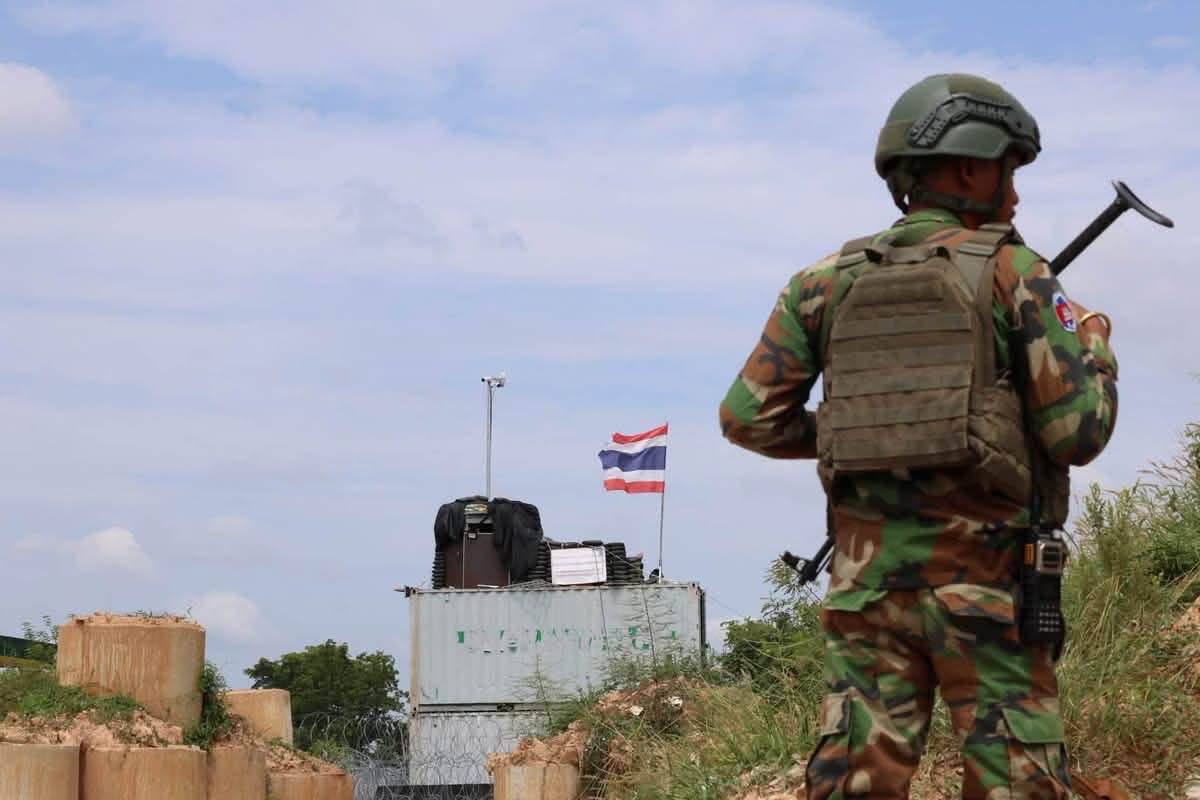
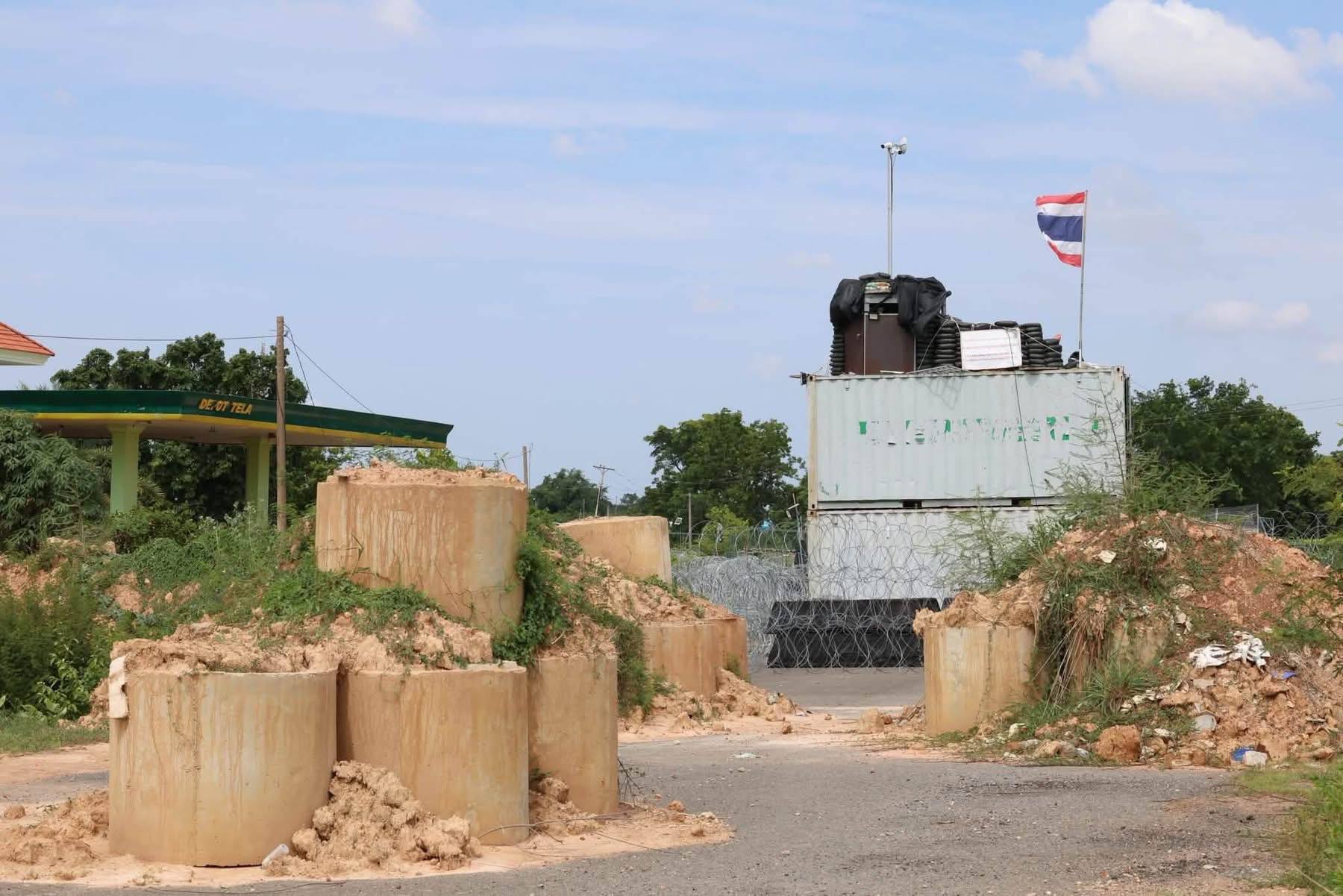
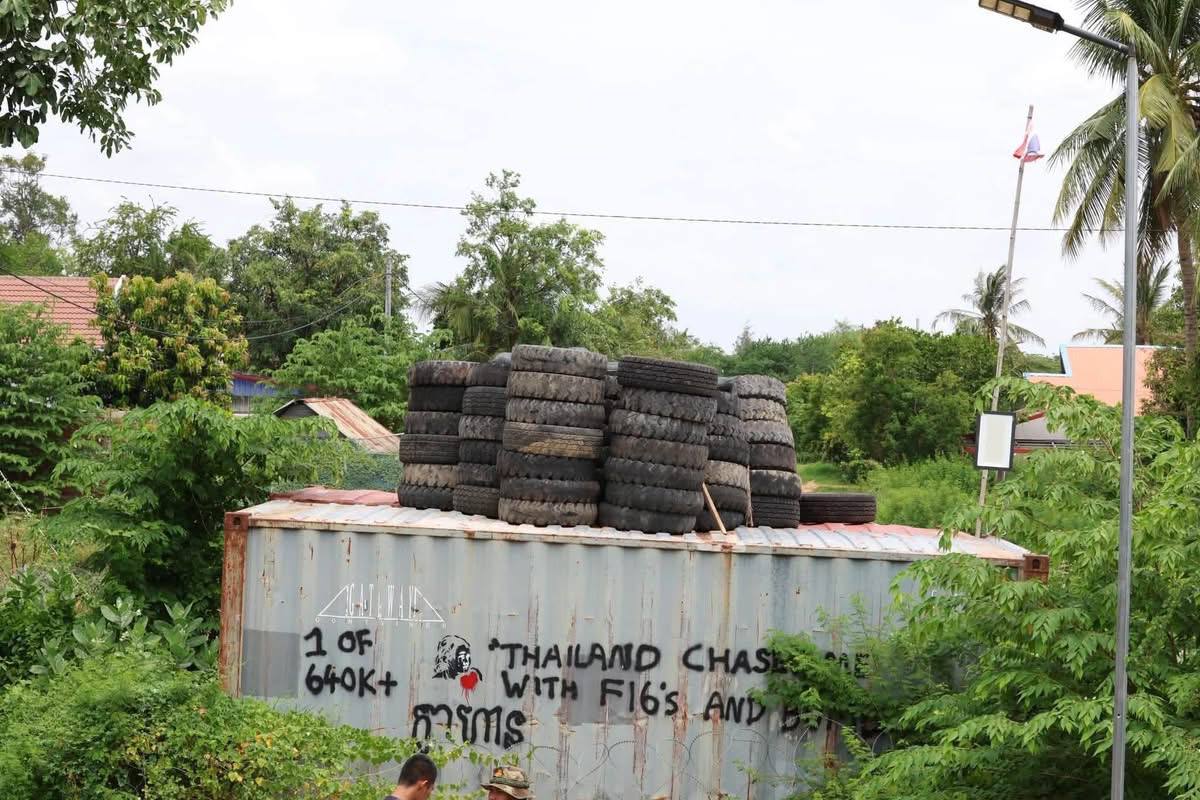
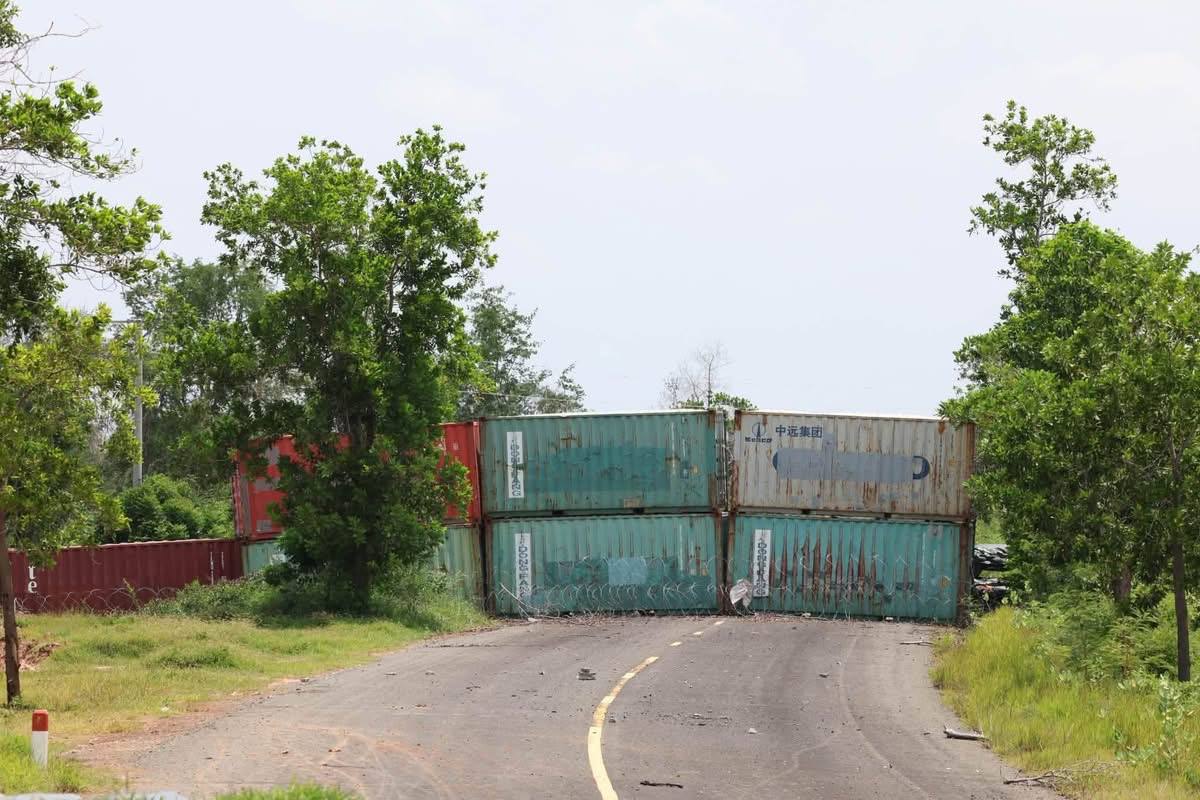
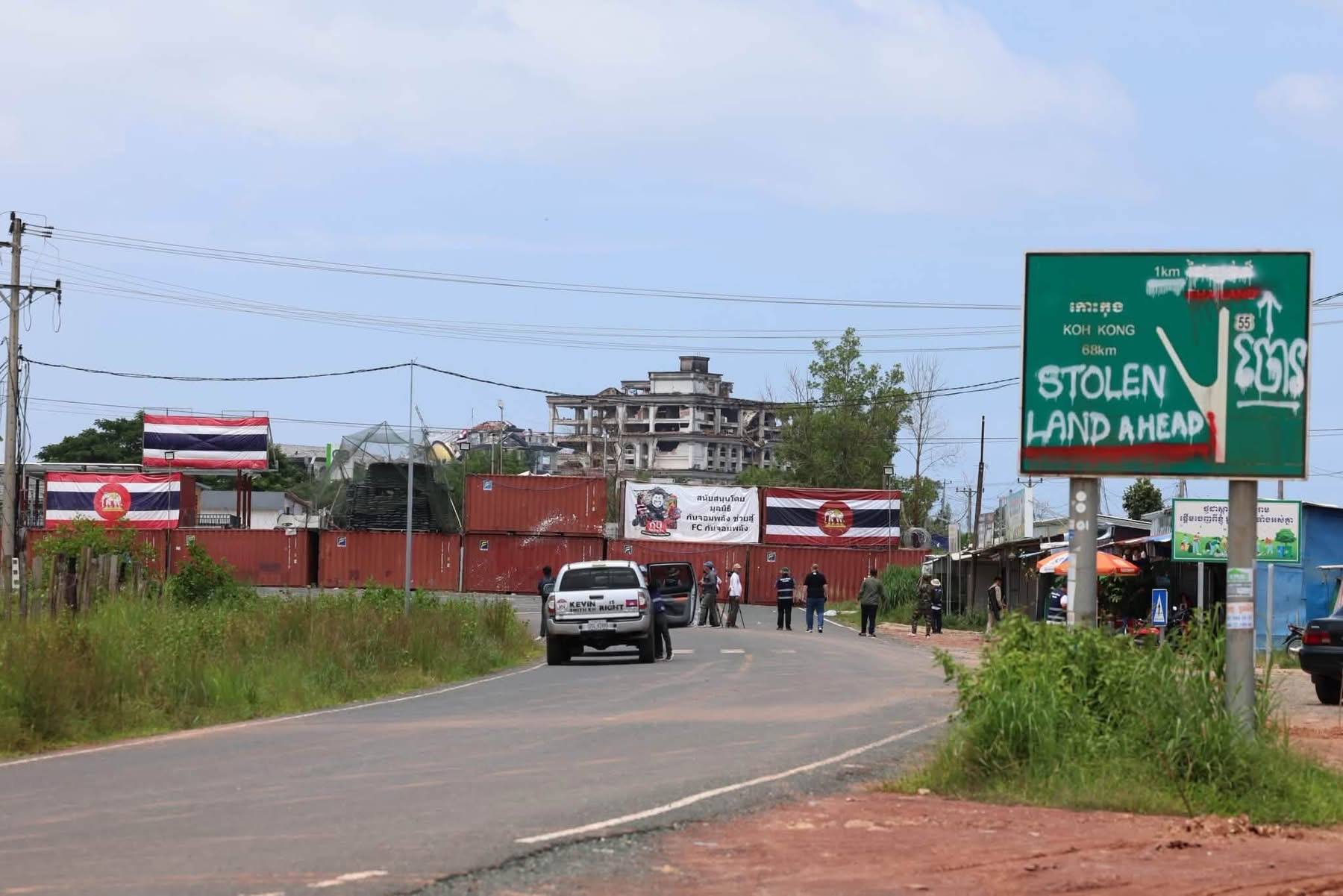
នៅពេលស្នូរកាំភ្លើងបានស្ងប់ស្ងាត់ អ្វីដែលត្រូវស្ងប់ជាមួយគ្នានោះ គឺសកម្មភាពដែលអាចផ្លាស់ប្តូរស្ថានភាពជាក់ស្តែងនៅលើដី fair accompli។ បទឈប់បាញ់មិនមែនជាការផ្តល់សិទ្ធិឱ្យភាគីណាមួយប្រើពេលវេលាដែលគ្មានការប្រយុទ្ធគ្នានេះ ដើម្បីកម្ទេចផ្ទះប្រជាពលរដ្ឋ សាងសង់ផ្លូវ ដាក់របាំង ដាក់ទូកុងតឺន័រ និងរាយលួសបន្លាលួសឡើយ ឬហេដ្ឋារចនាសម្ព័ន្ធថ្មី លើកទង់ជាតិ ឬបង្កើតអង្គហេតុថ្មី ដើម្បីបម្លែងស្ថានភាពដែនដីជាក់ស្តែងនោះឡើយ។
នេះជាចំណុចស្នូលដែលត្រូវយល់ឱ្យច្បាស់នៅពេលពិនិត្យសកម្មភាពរបស់យោធាថៃនៅតាមតំបន់ព្រំដែនកម្ពុជា–ថៃ ក្រោយប្រកាសរួមនៃកិច្ចប្រជុំពិសេសលើកទី៣ នៃគណៈកម្មាធិការព្រំដែនទូទៅ (GBC) ចុះថ្ងៃទី២៧ ខែធ្នូ ឆ្នាំ២០២៥។
បទឈប់បាញ់មានន័យថា «បង្កកស្ថានភាព» មិនមែន «បង្កើតស្ថានភាពថ្មី»
សេចក្តីប្រកាសរួមថ្ងៃទី២៧ ខែធ្នូ បានកំណត់ឱ្យមានបទឈប់បាញ់ភ្លាមៗ និងឱ្យភាគីទាំងពីរ រក្សាទីតាំងកងទ័ពដែលមានស្រាប់ ដោយគ្មានចលនាបន្ថែម។ វាក៏កំណត់យ៉ាងច្បាស់ថា ការរៀបចំក្រោមសេចក្តីប្រកាសនេះ មិនប៉ះពាល់ដល់ការកំណត់ខ្សែព្រំដែនអន្តរជាតិរវាងប្រទេសទាំងពីរឡើយ។
គោលការណ៍នេះមានសារៈសំខាន់ខ្លាំង។ ការរក្សាទីតាំងកងទ័ពនៅពេលបទឈប់បាញ់ មិនអាចត្រូវបានបកស្រាយថាជាការទទួលស្គាល់អធិបតេយ្យភាព ឬសិទ្ធិលើទឹកដីនោះទេ។ ក៏មិនអាចប្រើជាមូលដ្ឋានដើម្បីពង្រីកការគ្រប់គ្រងជាក់ស្តែង បង្កើតហេដ្ឋារចនាសម្ព័ន្ធថ្មី ឬបង្កើតភស្តុតាងរូបវន្តសម្រាប់ការទាមទារទឹកដីនៅពេលក្រោយបានដែរ។
ដូច្នេះ បទឈប់បាញ់ត្រូវមានន័យថា៖ បញ្ឈប់ការបាញ់ បញ្ឈប់ការរុលទៅមុខ និងបញ្ឈប់ការបង្កើតអង្គហេតុថ្មីដែលអាចធ្វើឱ្យស្ថានភាពនៅលើដីប្រែប្រួល។
ពី «ការរក្សាទីតាំង» ទៅ «ការបង្កើត Fait Accompli»
ប្រសិនបើក្នុងអំឡុងពេលបទឈប់បាញ់ កងកម្លាំងមួយចាប់ផ្តើមកម្ទេចផ្ទះប្រជាពលរដ្ឋ បិទផ្លូវចូលលំនៅឋាន សាងសង់ផ្លូវថ្មី ដាក់របាំង ឬសំណង់រឹងមាំ បង្កើតហេដ្ឋារចនាសម្ព័ន្ធយោធា ឬដោតទង់ជាតិ ដើម្បីបង្ហាញការគ្រប់គ្រងលើទីតាំងដែលស្ថានភាពព្រំដែនត្រូវដោះស្រាយតាមយន្តការដែលបានព្រមព្រៀង នោះគឺជាការបង្កើត fait accompli – ការបង្កើត «អង្គហេតុសម្រេចរួច» នៅលើដី ហើយបន្ទាប់មកព្យាយាមប្រើអង្គហេតុនោះជាមូលដ្ឋានសម្រាប់ការទាមទារនយោបាយ យោធា ឬដែនដីនៅពេលក្រោយ។
ភាពខុសគ្នាគឺច្បាស់៖ ការរក្សាទីតាំងកងទ័ព គឺការមិនផ្លាស់ប្តូរស្ថានភាព។ ការសាងសង់ ការកម្ទេចផ្ទះសម្បែង វត្តអារ៉ាម សាលារៀន មណ្ឌលសុខភាព ការរារាំងពលរដ្ឋមិនឱ្យវិលត្រឡប់ទៅផ្ទះរបស់ពួកគាត់វិញ ការពង្រឹងទីតាំង និងការដាក់និមិត្តសញ្ញាអធិបតេយ្យភាព គឺជាការបង្កើតស្ថានភាពថ្មី។
ផ្ទះប្រជាពលរដ្ឋមិនមែនជាគោលដៅសម្រាប់ការបង្កើតស្ថានភាពថ្មី
កាន់តែសំខាន់ជាងនេះ សេចក្តីប្រកាសរួមបានព្រមព្រៀងឱ្យប្រជាពលរដ្ឋដែលរស់នៅក្នុងតំបន់រងផលប៉ះពាល់ អាចវិលត្រឡប់ទៅផ្ទះ និងប្រកបជីវភាពធម្មតារបស់ពួកគេឱ្យបានឆាប់បំផុត ដោយគ្មានការរារាំង និងដោយសុវត្ថិភាពនិងសេចក្តីថ្លៃថ្នូរ។
ដូច្នេះ ប្រសិនបើផ្ទះរបស់ពលរដ្ឋត្រូវបានកម្ទេច ផ្លូវត្រូវបានបិទ ឬលំនៅឋានត្រូវបានធ្វើឱ្យពួកគេមិនអាចចូលទៅដល់បាន តើពួកគេអាចអនុវត្ត «សិទ្ធិវិលត្រឡប់» ដែលសេចក្តីប្រកាសរួមបានធានាដោយរបៀបណា?
ការអនុញ្ញាតឱ្យប្រជាពលរដ្ឋវិលត្រឡប់ មិនអាចមានន័យត្រឹមតែការមិនបាញ់ពួកគេនោះទេ។ វាត្រូវមានន័យថា ពួកគេអាច ត្រឡប់ទៅផ្ទះ ដីធ្លី ទ្រព្យសម្បត្តិ និងជីវភាពដែលពួកគេធ្លាប់មាន ដោយគ្មានឧបសគ្គដែលត្រូវបានបង្កើតឡើងក្រោយបទឈប់បាញ់។
ការដោតទង់ជាតិមិនអាចបង្កើតអធិបតេយ្យភាព
ដូចគ្នានេះដែរ ការដោតទង់ជាតិ ឬការដាក់និមិត្តសញ្ញារដ្ឋនៅលើទីតាំងណាមួយ មិនអាចបង្កើតអធិបតេយ្យភាពស្របច្បាប់លើទឹកដីនោះដោយខ្លួនឯងឡើយ។
ទង់ជាតិអាចបង្ហាញពីការគ្រប់គ្រងជាក់ស្តែង ប៉ុន្តែ ការគ្រប់គ្រងជាក់ស្តែងមិនស្មើនឹងប័ណ្ណកម្មសិទ្ធិលើទឹកដី។ អធិបតេយ្យភាពត្រូវកំណត់ដោយច្បាប់ សន្ធិសញ្ញា ផែនទី និងយន្តការកំណត់ព្រំដែនដែលមានសុពលភាព មិនមែនដោយអ្នកណាអាចសាងសង់ផ្លូវមុន ដាក់ទង់មុន ឬដាក់កម្លាំងនៅលើដីបានយូរជាងនោះទេ។
ហេតុនេះហើយបានជាសេចក្តីប្រកាសរួមថ្ងៃទី២៧ ខែធ្នូ បានរក្សាបញ្ហាកំណត់ព្រំដែនឱ្យស្ថិតក្រោមយន្តការគណៈកម្មការចម្រុះខណ្ឌសីមាព្រំដែនគោក (JBC)។ ភាគីណាមួយមិនអាចប្រើកម្លាំងយោធា ឬសកម្មភាពឯកតោភាគីនៅលើដី ដើម្បីធ្វើជំនួសការងាររបស់ JBC បានឡើយ។
សន្តិភាពមិនអាចមាននៅពេលស្នូរកាំភ្លើងស្ងប់ស្ងាត់ ប៉ុន្តែប៊ុលដូហ្ស័រនិងលួសបន្លានៅតែដំណើរការ
នេះជាសំណួរដែលសហគមន៍អន្តរជាតិគួរតែយកចិត្តទុកដាក់៖ តើអាចហៅថា «បទឈប់បាញ់» ពេញលេញបានដែរឬទេ នៅពេលកាំភ្លើងស្ងប់ ប៉ុន្តែសកម្មភាពដែលផ្លាស់ប្តូរស្ថានភាពនៅលើដីនៅតែបន្ត?
បទឈប់បាញ់ពិតប្រាកដមិនមែនគ្រាន់តែអវត្តមាននៃសំឡេងកាំភ្លើងទេ។ វាជាកាតព្វកិច្ចមិនធ្វើសកម្មភាពដែលធ្វើឱ្យភាពតានតឹងកាន់តែធ្ងន់ធ្ងរ មិនបង្កើតអង្គហេតុថ្មីលើដី និងទុកឱ្យបញ្ហាព្រំដែនត្រូវបានដោះស្រាយដោយយន្តការសន្តិវិធីដែលភាគីទាំងពីរបានព្រមព្រៀង។
ក្នុងន័យនេះ ការកម្ទេចផ្ទះប្រជាពលរដ្ឋ ការសាងសង់ផ្លូវ និងហេដ្ឋារចនាសម្ព័ន្ធ ការរារាំងការវិលត្រឡប់របស់ប្រជាពលរដ្ឋ ឬការដាក់និមិត្តសញ្ញាដើម្បីបង្ហាញអធិបតេយ្យភាពនៅលើទឹកដីកម្ពុជា ប្រសិនបើត្រូវបានបញ្ជាក់ដោយភស្តុតាងដែលអាចផ្ទៀងផ្ទាត់បាន គឺមិនអាចលាក់ខ្លួនក្រោមពាក្យថា «រក្សាទីតាំងកងទ័ព» បានឡើយ។ វាគឺជាការបង្កើត fait accompli ដែលផ្ទុយនឹងគោលបំណងនៃការបន្ធូរបន្ថយភាពតានតឹង និងអាចប៉ះពាល់ដល់ដំណើរការកំណត់ព្រំដែនដោយសន្តិវិធី។
«គ្រប់គ្រងជាក់ស្តែង» មិនស្មើ «អធិបតេយ្យភាពស្របច្បាប់»
មានគោលការណ៍មួយដែលត្រូវបញ្ជាក់ឱ្យច្បាស់ «ការកាន់កាប់ដោយកម្លាំង មិនអាចបង្កើតសិទ្ធិអធិបតេយ្យស្របច្បាប់បានឡើយ»។
ការដាក់របាំង កុងតឺន័រ លេណដ្ឋាន ផ្លូវ ឬទង់ជាតិ អាចបង្កើតរូបភាពនៃការគ្រប់គ្រងនៅលើដី ប៉ុន្តែវាមិនអាចបម្លែងខ្សែព្រំដែនអន្តរជាតិបានទេ។
ដូច្នេះ អ្វីដែលកម្ពុជាទាមទារ មិនមែនជាការបង្កើតច្បាប់ថ្មីឡើយ។ វាគឺការទាមទារឱ្យគោរពអ្វីដែលភាគីទាំងពីរបានចុះហត្ថលេខារួចហើយ៖ បញ្ឈប់ការបង្កើតស្ថានភាពថ្មីលើដី អនុញ្ញាតឱ្យប្រជាពលរដ្ឋវិលត្រឡប់ដោយគ្មានការរារាំង និងទុកឱ្យបញ្ហាព្រំដែនត្រូវបានដោះស្រាយតាមយន្តការដែលបានព្រមព្រៀង និងច្បាប់អន្តរជាតិ។
បទឈប់បាញ់មិនមែនជាអាជ្ញាបណ្ណសម្រាប់ការពង្រីកការគ្រប់គ្រងទឹកដីដោយវិធីប្រើកម្លាំងឡើយ។
កាំភ្លើងស្ងប់សំឡេង ត្រូវមានន័យថា fait accompli ក៏ត្រូវបញ្ឈប់ដែរ។ សន្តិភាពមិនអាចកសាងឡើងលើផ្ទះដែលត្រូវបានកម្ទេច ផ្លូវដែលត្រូវបានសាងសង់ដើម្បីបង្កើតអង្គហេតុថ្មី និងទង់ជាតិដែលត្រូវបានដោតដើម្បីបម្លែងស្ថានភាពដែនដីបានឡើយ៕
When the Guns Fall Silent, the Bulldozers Must Stop: A Ceasefire Must Freeze the Situation, Not Create a New One — Thai Military Actions Are Violating the Ceasefire
When the guns fall silent, so too must actions capable of altering the situation on the ground and creating a fait accompli. A ceasefire is not a license for either party to exploit the absence of fighting to demolish civilian homes, build roads, erect barriers, install shipping containers, lay barbed wire, construct new infrastructure, raise national flags, or create new facts on the ground intended to alter the territorial status quo.
This is the central point that must be clearly understood when examining the actions of the Thai military along the Cambodia–Thailand border following the Joint Statement of the 3rd Special Meeting of the General Border Committee (GBC) of 27 December 2025.
A Ceasefire Means Freezing the Situation, Not Creating a New One
The Joint Statement of 27 December provided for an immediate ceasefire and required both sides to maintain their existing troop positions without further movement. It also made clear that the arrangements under the Joint Statement were without prejudice to the international boundary delimitation between the two countries.
This principle is critically important. Maintaining troop positions under a ceasefire cannot be interpreted as recognition of sovereignty or territorial title. Nor can it serve as a basis for expanding effective control, constructing new infrastructure, or manufacturing physical facts that might later be invoked in support of territorial claims.
A ceasefire must therefore mean three things: stop the shooting, stop the advance, and stop creating new facts on the ground that alter the status quo.
From “Maintaining Positions” to Creating a Fait Accompli
If, during a ceasefire, military forces begin demolishing civilian homes, blocking access to residential areas, constructing new roads, erecting barriers or permanent structures, building military infrastructure, or raising national flags to demonstrate control over areas whose boundary status is to be addressed through agreed mechanisms, such actions go beyond merely “maintaining positions.”
They risk creating a fait accompli—an “accomplished fact” on the ground that can subsequently be invoked to support political, military, or territorial claims.
The distinction is straightforward.
Maintaining troop positions means not changing the situation.
Constructing new facilities, demolishing homes, pagodas, schools or health centres, preventing civilians from returning to their homes, reinforcing military positions, and installing symbols intended to demonstrate sovereignty amount to changing the situation.
A ceasefire cannot credibly be interpreted to prohibit soldiers from advancing while allowing bulldozers, barriers and construction works to advance in their place.
Civilian Homes Cannot Become Instruments for Creating a New Reality
More importantly, the Joint Statement provides for civilians living in affected border areas to return to their homes and resume their normal livelihoods as soon as possible, without obstruction, and in conditions of safety and dignity.
That commitment raises a fundamental question: If civilians’ homes are demolished, roads to their communities are blocked, or their residences are made inaccessible, how can they exercise the right to return contemplated by the Joint Statement?
Allowing civilians to return cannot simply mean refraining from shooting at them. It must mean that they are genuinely able to return to their homes, land, property and livelihoods without new obstacles created after the ceasefire.
A ceasefire that leaves civilians alive but unable to return home cannot fully achieve its humanitarian purpose.
Planting a Flag Does Not Create Sovereignty
Likewise, raising a national flag or installing state symbols at a particular location cannot, by itself, create lawful sovereignty over that territory.
A flag may be intended to demonstrate physical control, but physical control is not a title deed to territory.
Sovereignty is determined by applicable international law, treaties, relevant maps and lawful boundary-delimitation and demarcation processes—not by who builds a road first, raises a flag first, erects a barrier first, or maintains forces on the ground for the longest period.
This is precisely why the Joint Statement of 27 December preserved boundary delimitation and demarcation issues for the Joint Boundary Commission (JBC). Neither side can legitimately use military force or unilateral facts on the ground as a substitute for the work of the JBC.
Military engineering cannot redraw an international boundary.
Peace Cannot Exist When the Guns Are Silent but the Bulldozers and Barbed Wire Keep Moving
This is a question to which the international community should pay close attention:
Can a ceasefire be considered fully respected when the guns have fallen silent, but activities that materially alter the situation on the ground continue?
A meaningful ceasefire is more than the absence of gunfire. In the context of the commitments undertaken by the parties, it requires restraint from actions that aggravate tensions, create new facts on the ground, or undermine the peaceful mechanisms through which outstanding boundary questions are supposed to be addressed.
In this context, the demolition of civilian homes, construction of roads and infrastructure, obstruction of civilians seeking to return, or installation of symbols intended to demonstrate sovereignty on Cambodian territory—where established by verifiable evidence—cannot simply be concealed behind the phrase “maintaining troop positions.”
Such conduct constitutes the creation of a fait accompli. It runs contrary to the objective of de-escalation and risks prejudicing the peaceful boundary process.
“Effective Control” Is Not the Same as “Lawful Sovereignty”
One principle must remain absolutely clear:
Occupation or control achieved through force cannot, by itself, create lawful sovereign title.
Barriers, shipping containers, trenches, roads and national flags may create the appearance of control on the ground. They cannot, however, redraw an international boundary or convert military presence into lawful sovereignty.
This distinction matters because otherwise every ceasefire would carry a dangerous loophole: a party could stop firing, hold its military position, and then progressively transform the territory around that position through demolition, construction, barriers, roads and symbols of sovereignty.
That would turn a mechanism intended to preserve peace into an opportunity to consolidate territorial gains.
Cambodia is therefore not demanding the creation of a new rule. It is demanding respect for what the two sides have already agreed: refrain from creating new realities on the ground, enable civilians to return without obstruction, and allow outstanding boundary issues to be resolved through the agreed mechanisms and in accordance with international law.
A ceasefire is not a license to expand territorial control through force or unilateral actions.
When the guns fall silent, the fait accompli must stop as well. Peace cannot be built upon demolished homes, roads constructed to manufacture new facts on the ground, barbed wire that prevents civilians from returning, or flags planted in an attempt to transform a territorial status quo.